
Being in a one-sided love is heartbreaking.
A one-sided relationship or unrequited love is when you love someone deeply, but they don’t feel the same way about you.
The signs of unreciprocated love can be painful to recognize, but it’s important to be aware of them so that you can protect your heart.
One of the most obvious signs is when the person you love doesn’t show any romantic interest in you.
They may not initiate conversations or make any effort to spend time with you.
Another sign is when they don’t prioritize your needs or feelings.
If you find yourself constantly putting in all the effort and receiving nothing in return, your love is likely unreciprocated.
In addition, if they consistently avoid any discussions about the future or commitment, it could be a clear indication that they don’t feel the same way.
It’s essential to pay attention to their actions rather than just their words.
Often, people can say things to keep you hopeful, but their actions will reveal the truth.
If they never make any effort to make you a part of their life or introduce you to their friends and family, it’s a sign that they don’t see a future with you.
Moreover, if they don’t express any interest in getting to know you more or learning about your dreams and aspirations, it’s a clear indication that your feelings are not reciprocated.
Lastly, if they consistently keep their distance and avoid physical intimacy, it’s a strong sign that they don’t feel the same way about you.
How do you deal with the fact that someone will never love you back

Dealing with unrequited love can be incredibly challenging,
But it’s essential to take care of your emotional well-being during this difficult time.
One of the first steps in coping with a one-sided love is to allow yourself to grieve.
It’s normal to feel a range of emotions, including sadness, anger, and disappointment.
Give yourself permission to experience these emotions fully and understand that it’s a natural part of the healing process.
It’s also crucial to create a support system of friends and family who can provide a listening ear and offer comfort during this time.
Surrounding yourself with people who care about you can help alleviate some of the pain.
Additionally, it’s important to focus on self-reflection and personal growth.
Use this time to explore your own interests and passions.
Engage in activities that bring you joy and help distract you from negative thoughts.
Taking care of your physical health is equally important.
Make sure to eat well, exercise regularly, and get enough sleep.
Engaging in self-care activities such as meditation, journaling, or practicing mindfulness can also be beneficial.
Remember to be patient with yourself and allow yourself the time and space to heal.
Key indicators that someone does not feel the same way about you.

Recognizing if someone doesn’t feel the same way about you can be difficult, but it’s crucial for your own emotional well-being.
One of the key indicators is if the person you love consistently avoids spending time with you.
They may make excuses or cancel plans last minute.
If they don’t show any interest in getting to know you on a deeper level or asking about your day, it’s a sign that your feelings are not reciprocated.
Pay attention to their body language as well. If they seem distant, avoid physical contact, or don’t reciprocate affection, it’s an indication that they don’t feel the same way.
Furthermore, if they don’t make any effort to introduce you to their friends and family, it’s a clear sign that they don’t envision a future with you.
Pay attention to their communication patterns.
If they take a long time to respond to your messages or frequently ignore them altogether, likely, they don’t prioritize your relationship.
Trust your intuition. If you have a gut feeling that something is off or that the person you love doesn’t reciprocate your feelings, it’s important to trust yourself and take the necessary steps to protect your heart.
Dealing with rejection and moving on.
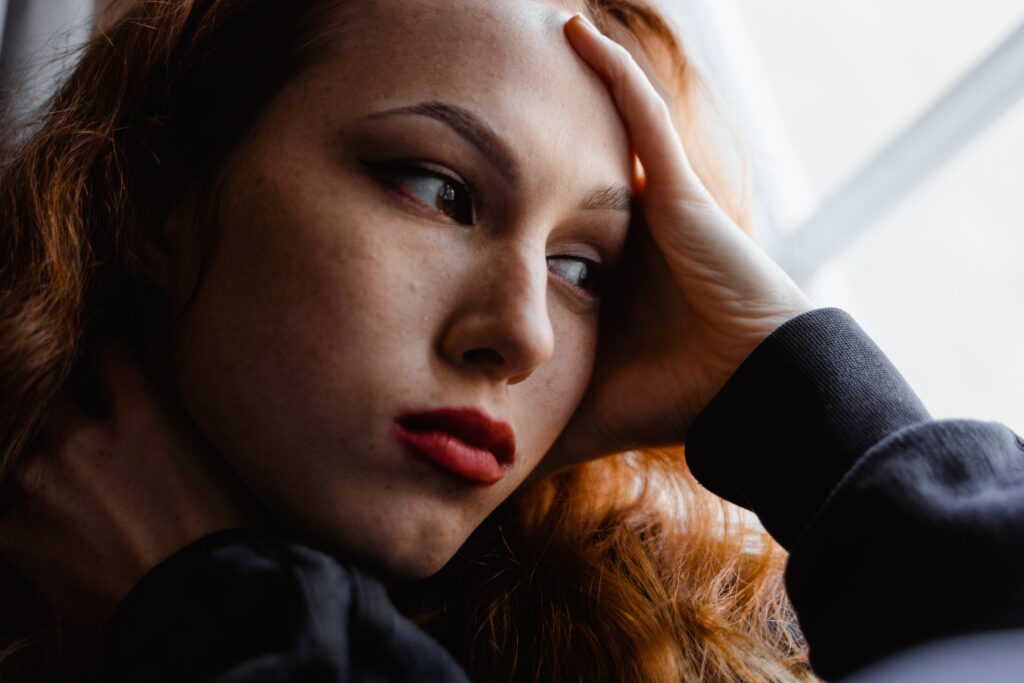
Facing rejection can be painful, but it’s crucial to remember that it’s not a reflection of your worth.
Rejection is a part of life, and everyone experiences it at some point.
It’s important to allow yourself to feel the pain and process your emotions.
However, dwelling on the rejection for too long can hinder your healing process.
Instead, focus on accepting the reality of the situation and embracing the opportunity for personal growth.
One effective way to deal with rejection is to practice self-compassion.
Treat yourself with kindness and understanding.
Remind yourself that you deserve love and happiness, even if it’s not with this particular person.
Surround yourself with positive influences and engage in activities that make you feel good about yourself.
It’s also important to set boundaries and distance yourself from the person who rejected you, at least until you have healed.
Removing reminders of them from your life, such as gifts or photographs, can also aid in the healing process.
Moving on from unrequited love takes time, but it’s important to focus on your own happiness.
Embrace new opportunities and try new things.
Take this time to rediscover yourself and explore what brings you joy.
Remember, the right person will come along when the time is right, and they will love you just as deeply as you love them.